
Snowbird season marketing is the practice of planning your visibility, content and staffing around the winter arrival of seasonal residents, so your business captures demand that peaks between November and April. In Palm Beach County, that demand is substantial: the Palm Beach County Planning Division estimates 158,876 additional seasonal residents countywide, a 10.6% population increase, with about 8,700 of them in West Palm Beach alone. In the town of Palm Beach, seasonal residents make up roughly 71% of the population.
Businesses that prepare early are ready when the calendar turns. Those that wait miss the first and most valuable weeks, when arriving residents choose the doctors, contractors, restaurants and shops they’ll use all season. This playbook explains who seasonal residents are, how they search, what to do at each stage of the season, and how to measure the results.
Who Are the Snowbirds?
Snowbirds are people who spend the colder months in warmer places, and in South Florida many come from the Northeast, the Midwest and Canada. Some own homes, others rent for a few months, and some stay in condominiums or retirement communities. Arrival times vary, but activity usually begins in the fall, rises through the winter and tapers off in spring.
This group isn’t uniform. A retired couple who has owned a home in the area for twenty years behaves differently from a family renting for three months. Age, budget, health needs and length of stay all affect what they look for. Treating them as one audience is a common mistake.
What many have in common is limited local knowledge at the start of their stay. They search online for providers they can trust, and they rely on reviews, maps and recommendations to choose. That makes local search visibility especially important.
How Do Seasonal Residents Search for Local Businesses?
Seasonal residents use a mix of search styles:
- Category searches such as “primary care doctor near me” or “pool service West Palm Beach”
- Brand searches for businesses they used in previous years
- Question searches like “do restaurants on Clematis Street take reservations”
- Map searches from a phone while driving or walking
Many people also search before they arrive. Planning for a winter stay often starts weeks in advance, so your online presence needs to be accurate and attractive before visitors are physically in town.
Some also search from their home city, using language that references West Palm Beach or Palm Beach County rather than neighborhood names. Content that mentions both helps you match different phrasing.
The Seasonal Marketing Timeline
The calendar below is a general guide. Adjust it for your category, since a restaurant, a medical office and a home repair company each see different peaks.
| Seasonal Period | Customer Behavior | Recommended Marketing Focus |
|---|---|---|
| Summer (June to August) | Local demand is generally lower, while businesses prepare for the upcoming busy season. | Update website content, audit business listings, and develop seasonal marketing materials. |
| Early Fall (September to October) | Customers begin researching services and planning their upcoming visits or arrivals. | Refresh business profiles, publish seasonal landing pages, and launch early marketing campaigns. |
| Arrival Season (November to December) | Customers settle in and begin looking for essential local services and amenities. | Run local search ads, encourage genuine customer reviews, and update holiday business hours. |
| Peak Season (January to March) | Customer activity and competition reach their highest levels, increasing the need for strong local visibility. | Maintain search visibility, respond promptly to inquiries, and promote relevant events and services. |
| Departure Season (April to May) | Customers prepare to leave, close seasonal homes, and make their final service arrangements. | Send customer retention emails, offer relevant seasonal promotions, and request reviews from customers who have used the services. |
Before the Season: Build the Foundation
The strongest results come from work completed before demand peaks. Use the slow summer months to prepare.
Audit Your Google Business Profile
Check that your hours, categories, services, photos and contact details are current. Google’s own data shows customers are 70% more likely to visit a business with a complete profile, which matters most when searchers are new to the area. Add a seasonal description if your offerings change in winter, and upload new photos that show the business as it looks now. Our Google Business Profile optimization checklist walks through each element in order.
Plan to update holiday and extended hours early, because visitors often check hours before they leave the house.
Correct Directory Listings
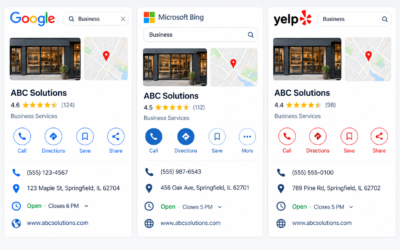
Seasonal residents may find you on map apps, review sites or directories rather than on your own website. Inconsistent addresses or phone numbers cause confusion and lost visits, and our NAP consistency guide shows how to find and fix them. Review your business listings and correct anything out of date, including duplicates left by past owners or moves.
Prepare the Website
Make sure the site loads quickly on mobile and that key information is easy to find: location, hours, services, parking and how to book. Consider creating pages tailored to seasonal needs, such as short-term services, part-year home care, or reservations for large groups.
Use clear language and avoid promotional exaggeration. Visitors respond better to useful details than to slogans.
Set Up Tracking
Make sure analytics, call tracking and form tracking work before the season begins. Without this data, you won’t know which efforts brought in customers during your busiest months. If you’re deciding how much to invest, our guide to setting a digital marketing budget covers seasonal planning in detail.
Early Season: Reach People as They Arrive
From October through December, many visitors are making first choices about doctors, contractors, grocers and restaurants. Once they settle on a provider, they often stay with them for the season.
Focus on Local Search
Visibility in map results and organic search is critical at this stage. Ongoing search engine optimization work, such as improving page content, internal structure and local relevance, helps your site appear for searches that include West Palm Beach and nearby communities.
Create content that answers practical questions. Examples include a guide for new seasonal residents, a list of services for part-year homeowners, or an explanation of how to schedule appointments while away. These pages serve readers first and search engines second.
Use Seasonal Offers Carefully
Promotions can work if they’re clear and honest, such as extended hours or a package suited to a short stay. Describe the terms plainly, since overstated claims reduce trust. If you run paid advertising, set location targeting around Palm Beach County and consider targeting by interest or by recent travel to the area.
Ask for Reviews Early
New customers who have a good first experience are your best source of fresh reviews. Ask them within a day or two of the service, while the experience is recent. Freshness matters more than most owners realize: in BrightLocal’s 2025 Local Consumer Review Survey, 20% of consumers said reviews need to be as recent as two weeks old to influence their decision.
Peak Season: Stay Visible and Responsive
January through March brings the most traffic and the most competition. The goal in this stage is to maintain quality and respond quickly.
Respond Fast to Inquiries
Visitors often contact several businesses at once and choose the first that responds. Monitor calls, messages and forms daily, and set clear response targets. If you can’t staff phones all day, use an automated reply that sets expectations for when someone will follow up.
Publish Regular Updates
Share local news and events that matter to your audience, such as seasonal menus, special hours, community events, new services or staff changes. Post updates on your Google Business Profile and on the social platforms your customers use. Keep a consistent tone and avoid heavy promotion.
Pay Attention to Reviews
Reply to every review, including critical ones, and use the feedback to fix recurring problems. Seasonal customers often leave reviews before departing, so a steady process during this period pays off. Our reputation management playbook covers the full system.
Check Performance Weekly
Review calls, direction requests, website visits and booking numbers each week. Peak season moves quickly, and a drop in visibility is easier to correct when it’s caught early.
Late Season: Prepare for Departures
By April, many seasonal residents are preparing to leave. This is the time to build relationships that last beyond the winter.
Collect email addresses with permission and send a thank-you message with useful information, such as how to reach you from out of state or what services you offer during their time away. Home service providers can promote check-in services for unoccupied homes. Medical and professional practices can explain how to access records or arrange remote appointments.
Ask for final reviews and photos where appropriate. Then analyze the season: which services were most requested, which channels brought in customers, and which messages performed best.
Off Season: Review and Retain
Summer is the time to apply what you learned. Compare results with your goals, review costs per lead and customer, and decide what to repeat or change. Keep in touch with returning customers through a few well-timed emails, and begin planning content and campaigns for the next year.
This is also the right time to set the next year’s budget. If you need help estimating costs, you can view pricing information to understand the typical structure of services.
Common Mistakes in Seasonal Marketing
- Starting too late and missing early search demand
- Using the same message for every type of seasonal resident
- Leaving outdated hours or holiday information online
- Spending heavily on ads without tracking results
- Ignoring reviews during the busiest weeks
- Dropping all marketing activity after the peak
Frequently Asked Questions
When should I begin marketing for snowbird season?
Start planning in summer and launch visible work in September or October. Seasonal residents often research providers weeks before they arrive, so earlier preparation captures that pre-arrival demand.
Do I need separate pages for seasonal residents?
Not always, but dedicated pages help if your services change for seasonal customers or if they have specific questions. Make sure each page provides real information rather than repeating generic text.
Is paid advertising necessary during snowbird season?
No, but it helps in competitive categories where organic visibility takes time. Combine it with strong local search work for the most balanced approach.
How can a small business compete with larger companies?
Focus on accuracy, reviews, responsiveness and clear local relevance. Smaller businesses win by being easy to contact, well reviewed and specific about the services they provide.
Which metrics matter most?
Track calls, direction requests, form submissions, bookings and cost per customer. Compare them across months to see how seasonal changes affect results.
Can I get help planning a seasonal strategy?
Yes. If you want to talk through your timeline, services and goals, you can contact the team to start the conversation.
Final Thoughts
Success in snowbird season rarely comes from a single tactic. It comes from preparing early, keeping information accurate, responding quickly and learning from each year’s results. With seasonal residents adding more than a tenth to Palm Beach County’s population each winter, a West Palm Beach business that follows the stages above can turn one good season into relationships that last for years. You can find more local marketing resources at Allreact.